Psalm 29 Discourse
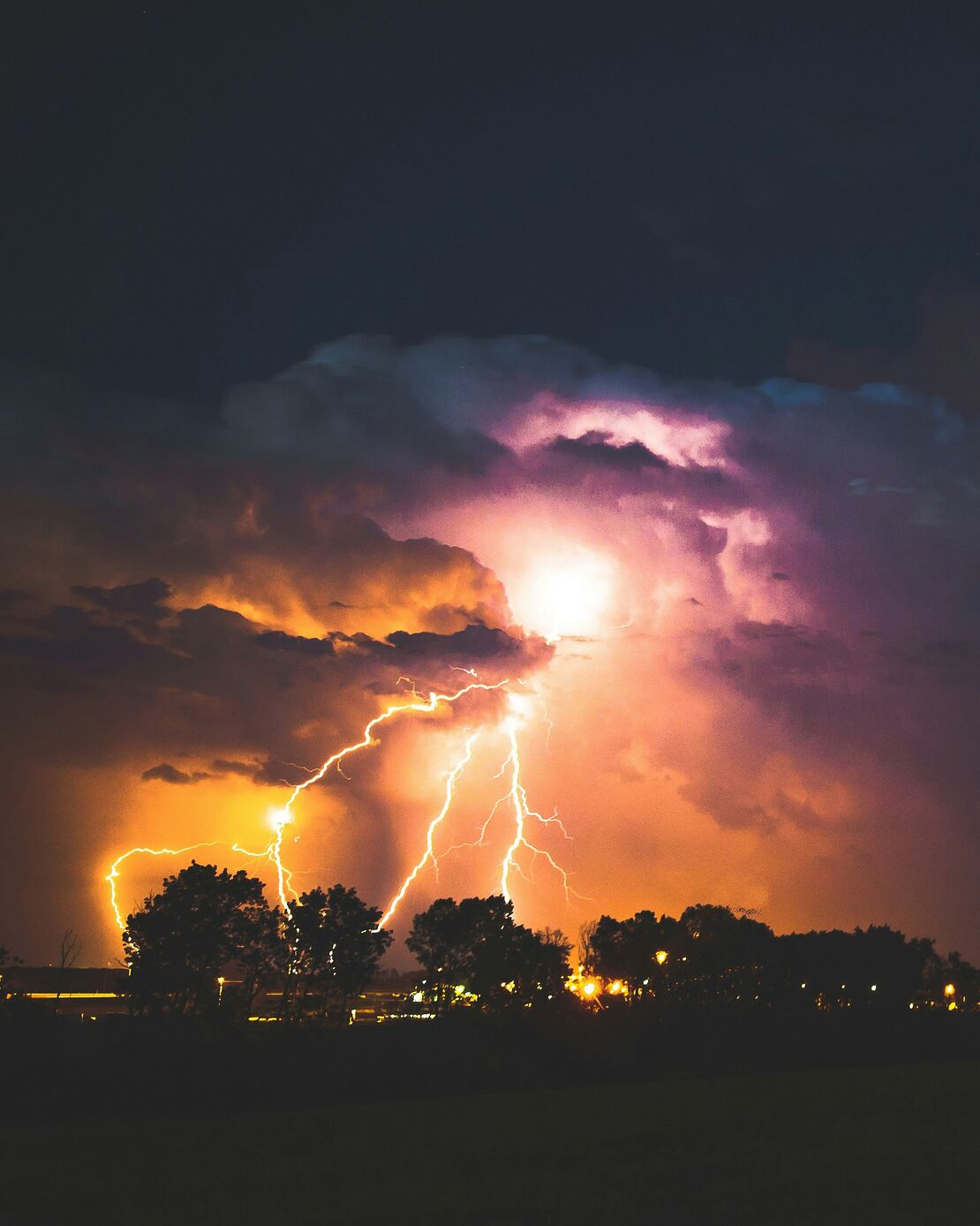
The sound of YHWH
Psalm 29
About the Discourse Layer
Our Discourse Layer includes four additional layers of analysis:
- Participant analysis
- Macrosyntax
- Speech act analysis
- Emotional analysis
For more information on our method of analysis, click the expandable explanation button at the beginning of each layer.
Participant Analysis
Participant Analysis focuses on the characters in the psalm and asks, “Who are the main participants (or characters) in this psalm, and what are they saying or doing? It is often helpful for understanding literary structure, speaker identification, etc.
For a detailed explanation of our method, see the Participant Analysis Creator Guidelines.
There are 5 participants/characters in Psalm 29:
Profile List
| David |
| YHWH (vv. 1–8, 10–11) |
| "The glorious God" (v. 3) |
| YHWH's voice (vv. 8, 9) |
| Divine beings (v. 1b) |
| Forces of chaos |
| "The water" (v. 3) |
| "The Flood" (v. 10) |
| YHWH's people (v. 11) |
Profile Notes
- YHWH's heavenly court consists of lesser divine beings ('gods') whose duty it is to serve him (cf. 1 Kgs 22:19; Job 1:6; 2:1; 38:7; Pss 82; 89:6-7). In Psalm 29, the psalmist summons these divine beings to submit to YHWH, acknowledging that all glory and strength belong to YHWH alone.
- The water (v. 3a, 3c) and the Flood (v. 10a) are not active participants in this psalm since they do not function as agentive subjects of a verb. Nevertheless, we have included them in the participant list because they play a relational role in the psalm. Water is a symbol of chaos (Pss 74:13-14; 89:10) and threat to God's people (Pss 18:17, 32:6; 124:4). The phrase "the water" most likely refers to the chaotic waters of the (Noahic) Flood (מבול v. 10a) (see lexical semantics notes). Thus, the psalmist appears to be comparing YHWH's defeat of his enemies to the time when YHWH overcame the water of the ancient flood, thundering against it and making it return its proper place.[1]
- For a discussion of YHWH's voice and the phrase קוֹל יהוה that occurs throughout this psalm, see The Syntactic Function of קוֹל יְהוָה in Psalm 29.
| Hebrew | Verse | English |
|---|---|---|
| מִזְמ֗וֹר לְדָ֫וִ֥ד | v. 1a | A psalm by David. |
| הָב֣וּ לַֽ֭יהוָה בְּנֵ֣י אֵלִ֑ים | v. 1b | Ascribe [glory and strength] to YHWH, divine beings; |
| הָב֥וּ לַ֝יהוָ֗ה כָּב֥וֹד וָעֹֽז׃ | v. 1c | ascribe glory and strength to YHWH. |
| הָב֣וּ לַֽ֭יהוָה כְּב֣וֹד שְׁמ֑וֹ | v. 2a | Ascribe to YHWH the glory that his name deserves; |
| הִשְׁתַּחֲו֥וּ לַ֝יהוָ֗ה בְּהַדְרַת־קֹֽדֶשׁ׃ | v. 2b | bow down to YHWH dressed in holy attire. |
| ק֥וֹל יְהוָ֗ה עַל־הַ֫מָּ֥יִם | v. 3a | The sound of YHWH against the water! |
| אֵֽל־הַכָּב֥וֹד הִרְעִ֑ים | v. 3b | The glorious God has thundered; |
| יְ֝הוָ֗ה עַל־מַ֥יִם רַבִּֽים׃ | v. 3c | YHWH [has thundered] against much water. |
| קוֹל־יְהוָ֥ה בַּכֹּ֑חַ | v. 4a | The sound of YHWH [thundering] in power! |
| ק֥וֹל יְ֝הוָ֗ה בֶּהָדָֽר׃ | v. 4b | The sound of YHWH [thundering] in majesty! |
| ק֣וֹל יְ֭הוָה שֹׁבֵ֣ר אֲרָזִ֑ים | v. 5a | The sound of YHWH breaking cedars! |
| וַיְשַׁבֵּ֥ר יְ֝הוָ֗ה אֶת־אַרְזֵ֥י הַלְּבָנֽוֹן׃ | v. 5b | And YHWH is breaking the cedars of Lebanon, |
| וַיַּרְקִידֵ֥ם כְּמוֹ־עֵ֑גֶל לְבָנ֥וֹן | v. 6a | And he is causing Lebanon to skip like a calf, |
| וְ֝שִׂרְיֹ֗ן כְּמ֣וֹ בֶן־רְאֵמִֽים׃ | v. 6b | And Sirion like a wild ox. |
| קוֹל־יְהוָ֥ה חֹצֵ֗ב לַהֲב֥וֹת אֵֽשׁ׃ | v. 7 | The sound of YHWH hewing with lightning bolts! |
| ק֣וֹל יְ֭הוָה יָחִ֣יל מִדְבָּ֑ר | v. 8a | YHWH’s voice causes the wilderness to tremble; |
| יָחִ֥יל יְ֝הוָ֗ה מִדְבַּ֥ר קָדֵֽשׁ׃ | v. 8b | YHWH causes the wilderness of Kadesh to tremble. |
| ק֤וֹל יְהוָ֨ה׀יְחוֹלֵ֣ל אַיָּלוֹת֮ | v. 9a | YHWH’s voice causes fallow deer to give birth, |
| וַֽיֶּחֱשֹׂ֪ף יְעָ֫ר֥וֹת | v. 9b | and it strips forests, |
| וּבְהֵיכָל֑וֹ כֻּ֝לּ֗וֹ אֹמֵ֥ר כָּבֽוֹד׃ | v. 9c | and in his temple everyone is saying, "Glory!" |
| יְ֭הוָה לַמַּבּ֣וּל יָשָׁ֑ב | v. 10a | YHWH sat enthroned over the Flood, |
| וַיֵּ֥שֶׁב יְ֝הוָ֗ה מֶ֣לֶךְ לְעוֹלָֽם׃ | v. 10b | and YHWH sits enthroned as king forever. |
| יְֽהוָ֗ה עֹ֭ז לְעַמּ֣וֹ יִתֵּ֑ן | v. 11a | YHWH gives strength to his people; |
| יְהוָ֓ה׀יְבָרֵ֖ךְ אֶת־עַמּ֣וֹ בַשָּׁלֽוֹם׃ | v. 11b | YHWH blesses his people with peace. |
- The psalm opens by addressing divine beings (בְּנֵי אֵלִים). David summons these divine beings to ascribe all glory and strength to YHWH. Then, the climax of the poem comes in v. 9cβ when YHWH finally receives the worship commanded. In the temple, already hinted at with the cedars and stone, the divine beings now call out exactly as they were commanded in vv. 1–2, ascribing “Glory!” to YHWH alone.
- v. 9cα: What is the antecedent for the 3ms suffix in כֻּלּוֹ ("everyone")?
- The word translated everyone (כֻּלּוֹ) has a pronominal suffix (lit.: "all of it") whose antecedent is not immediately clear. Since כֻּלּוֹ follows the phrase "in his temple," the pronominal suffix probably refers to "each of the beings there" (i.e. in his temple).[2] Moreover, the psalm is addressed to divine beings who have already been summoned in vv. 1-2 to worship YHWH like priests in a temple. Hence, the participant here is most likely the divine beings.[3].
Participant Relations Diagram
The relationships among the participants may be abstracted and summarized as follows:


Participant Analysis Summary Distribution

Notes:
- The psalm opens by addressing divine beings.
- At the end of v. 9, there is a shift in both subject and speaker/addressee.
- After v. 9, "The sound of YHWH" is no longer mentioned.
- YHWH's people is mentioned only in v. 11.
Macrosyntax
Macrosyntax Diagram
| Macrosyntax legend | |
|---|---|
| Vocatives | Vocatives are indicated by purple text. |
| Discourse marker | Discourse markers (such as כִּי, הִנֵּה, לָכֵן) are indicated by orange text. |
 |
The scope governed by the discourse marker is indicated by a dashed orange bracket connecting the discourse marker to its scope. |
 |
The preceding discourse grounding the discourse marker is indicated by a solid orange bracket encompassing the relevant clauses. |
| Subordinating conjunction | The subordinating conjunction is indicated by teal text. |
 |
Subordination is indicated by a solid teal bracket connecting the subordinating conjunction with the clause to which it is subordinate. |
| Coordinating conjunction | The coordinating conjunction is indicated by blue text. |
 |
Coordination is indicated by a solid blue line connecting the coordinating clauses. |
 |
Coordination without an explicit conjunction is indicated by a dashed blue line connecting the coordinated clauses. |
 |
Marked topic is indicated by a black dashed rounded rectangle around the marked words. |
 |
The scope of the activated topic is indicated by a black dashed bracket encompassing the relevant clauses. |
| Marked focus or thetic sentence | Marked focus (if one constituent) or thetic sentences[4] are indicated by bold text. |
 |
Frame setters[5] are indicated by a solid gray rounded rectangle around the marked words. |
| [blank line] | Discourse discontinuity is indicated by a blank line. |
| [indentation] | Syntactic subordination is indicated by indentation. |
 |
Direct speech is indicated by a solid black rectangle surrounding all relevant clauses. |
| (text to elucidate the meaning of the macrosyntactic structures) | Within the CBC, any text elucidating the meaning of macrosyntax is indicated in gray text inside parentheses. |
If an emendation or revocalization is preferred, that emendation or revocalization will be marked in the Hebrew text of all the visuals.
| Emendations/Revocalizations legend | |
|---|---|
| *Emended text* | Emended text, text in which the consonants differ from the consonants of the Masoretic text, is indicated by blue asterisks on either side of the emendation. |
| *Revocalized text* | Revocalized text, text in which only the vowels differ from the vowels of the Masoretic text, is indicated by purple asterisks on either side of the revocalization. |

Paragraph Divisions
In this Psalm, most of the paragraphs may be delimited according to the distribution of verbal forms.
- vv. 1-2. Imperatives
- vv. 3-4. Lack of verbs; the only verb in this paragraph is הִרְעִים (v. 3b), and in the remaining clauses, this verb is either gapped (as in v. 3c) or the action denoted by the verb (thundering) is implied (v. 3a, 4ab).
- vv. 5-7. Participles frame this section (vv. 5a, 7). Every clause that does not have a participle begins with waw (vv. 5b, 6ab), such that it is joined to a clause (or group of clauses) that does have a participle.
- vv. 8-9. Yiqtol verbs characterize this section (vv. 8ab, 9a). As in the previous section, every clause that does not have a yiqtol begins with waw (vv. 9bc), such that it is joined to a clause (or group of clauses) which does have a yiqtol. Also supported this section division is the shift from sentence fragments (vv. 3-7) to complete sentences with finite verbs.
- vv. 10-11. This final paragraph is bound together, not by verbal morphology, but by the repetition of YHWH's name in clause-initial position (vv. 10a, 11ab). The only clause in which YHWH is not clause-initial is a wayyiqtol clause (v. 10b).
Word Order
- vv. 1-2. In vv. 1b-2a, the indirect object (לַיהוָה) precedes the direct object (cf. Ps 96:7=1 Chr 16:28). This may be explained by the fact that לַיהוָה is shorter than the coordinated phrase כָּב֥וֹד וָעֹֽז (v. 1b) and the construct phrase כְּב֣וֹד שְׁמ֑וֹ (v. 2a). "Long constituents tend to occur at the end of a clause."[6] Contrast e.g., Deut 32:3, in which the indirect object is longer than the direct object and so occurs last in the clause – הָב֥וּ גֹ֖דֶל לֵאלֹהֵֽינוּ. Lunn also regards the word order in Ps 29:1-2 as "canonical."[7]
- v. 3b. Lunn regards the S-V order of this clause as pragmatically marked, though he does not specify in what sense it is marked.[8]
- Option 1: אֵל־הַכָּבוֹד is in marked focus. "Who thundered against the water? Not the inglorious Baal, but YHWH who is 'the God of glory.'"
- Option 2: the whole sentence is in focus. The previous line ("The sound of YHWH...!") raises the question, "what just happened?" and v. 3b answers that question: "the glorious God has thundered."
- vv. 8a, 9a. Lunn[9] regards these clauses as pragmatically marked. It seems more likely, however, that they are fronted in order to match the other instances of קוֹל יְהוָה which are necessarily clause initial (vv. 3a, 4ab, 5a, 7) by virtue of the fact that they are exclamations.[10]
- v. 9c. The fronted PP (marked topic) shifts the scene from the forest to YHWH's temple.
- v. 10. Lunn[11] regards the word order of the clause in v. 10a as "defamiliarized" and the clause in v. 10b as "canonical." He claims that the function of this DEF//CAN parallelism is to mark the beginning of a new section ("aperture").[12]
- v. 11. The subject precedes the verb in both 11a and 11b, not because the subject is marked for topic or focus, but because the verbs are indicative. If the yiqtol verbs were clause-initial, then they would be interpreted as jussives. Lunn<ref>Lunn 2006, 301.<ref> categorizes the word order in both clauses of v. 11 as "defamiliarized" and suggests that they function to mark "closure."<ref>Lunn 2006, 176.<ref>
- v. 11a. The verb final position of יִתֵּן in v. 11a (S O lamed-PP V) may be intended to match v. 10a (S lamed-PP V). For similar word order, see Ps 72:1 (O IO V) – אֱֽלֹהִ֗ים מִ֭שְׁפָּטֶיךָ לְמֶ֣לֶךְ תֵּ֑ן.
Vocatives
- The psalm opens with its only vocative, addressing divine beings (בְּנֵ֣י אֵלִ֑ים) in v. 1.
Discourse Markers
There are no notes on discourse markers for this psalm.
Conjunctions
There are no notes on conjunctions for this psalm.
Speech Act Analysis
The Speech Act layer presents the text in terms of what it does, following the findings of Speech Act Theory. It builds on the recognition that there is more to communication than the exchange of propositions. Speech act analysis is particularly important when communicating cross-culturally, and lack of understanding can lead to serious misunderstandings, since the ways languages and cultures perform speech acts varies widely.
For a detailed explanation of our method, see the Speech Act Analysis Creator Guidelines.
Summary Visual
Speech Act Analysis Chart
The following chart is scrollable (left/right; up/down).
| Verse | Hebrew | CBC | Sentence type | Illocution (general) | Illocution with context | Macro speech act | Intended perlocution (Think) | Intended perlocution (Feel) | Intended perlocution (Do) |
| Verse number and poetic line | Hebrew text | English translation | Declarative, Imperative, or Interrogative Indirect Speech Act: Mismatch between sentence type and illocution type |
Assertive, Directive, Expressive, Commissive, or Declaratory Indirect Speech Act: Mismatch between sentence type and illocution type |
More specific illocution type with paraphrased context | Illocutionary intent (i.e. communicative purpose) of larger sections of discourse These align with the "Speech Act Summary" headings |
What the speaker intends for the address to think | What the speaker intends for the address to feel | What the speaker intends for the address to do |
If an emendation or revocalization is preferred, that emendation or revocalization will be marked in the Hebrew text of all the visuals.
| Emendations/Revocalizations legend | |
|---|---|
| *Emended text* | Emended text, text in which the consonants differ from the consonants of the Masoretic text, is indicated by blue asterisks on either side of the emendation. |
| *Revocalized text* | Revocalized text, text in which only the vowels differ from the vowels of the Masoretic text, is indicated by purple asterisks on either side of the revocalization. |
| Verse | Text (Hebrew) | Text (CBC) | Sentence type | Illocution (general) | Illocution with context | Macro speech act | Intended perlocution (Think) | Intended perlocution (Feel) | Intended perlocution (Do) | Speech Act Notes |
|---|---|---|---|---|---|---|---|---|---|---|
| 1 | מִזְמ֗וֹר לְדָ֫וִ֥ד | A psalm by David. | Superscripton | |||||||
| הָב֣וּ לַֽ֭יהוָה בְּנֵ֣י אֵלִ֑ים | Ascribe [glory and strength] to YHWH, divine beings; | Imperative | Directive | Summoning the divine beings to ascribe all glory and strength to YHWH. | Summoning the divine beings to worship YHWH | The reader/listener will acknowledge YHWH's glory and strength. | The reader/listener will feel confident in YHWH's glory and strength. | The reader/listener will worship YHWH. | ||
| הָב֥וּ לַ֝יהוָ֗ה כָּב֥וֹד וָעֹֽז׃ | ascribe glory and strength to YHWH. | Imperative | Directive | Summoning the divine beings to ascribe all glory and strength to YHWH. | ||||||
| 2 | הָב֣וּ לַֽ֭יהוָה כְּב֣וֹד שְׁמ֑וֹ | Ascribe to YHWH the glory that his name deserves; | Imperative | Directive | Summoning the divine beings to acknowledge that YHWH deserves receiving glory. | |||||
| הִשְׁתַּחֲו֥וּ לַ֝יהוָ֗ה בְּהַדְרַת־קֹֽדֶשׁ׃ | bow down to YHWH dressed in holy attire. | Imperative | Directive | Summoning the divine beings to worship YHWH in reverence and holiness. | ||||||
| 3 | ק֥וֹל יְהוָ֗ה עַל־הַ֫מָּ֥יִם | The sound of YHWH against the water! | Fragment | Exclamation | Celebrating YHWH's strength and superiority against the water, which is a symbol of chaos and danger | Celebrating YHWH's strength and superiority | The reader/listener will acknowledge YHWH's strength and superiority. | The reader/listener will feel awe at YHWH's supremacy over all gods and all creation. | The reader/listener will celebrate YHWH’s supremacy and strength, proclaiming that he alone deserves all glory. | |
| אֵֽל־הַכָּב֥וֹד הִרְעִ֑ים | The glorious God has thundered; | Declarative | Assertive | Declaring the power and superiority of the God of glory who thunders against much water. | ||||||
| יְ֝הוָ֗ה עַל־מַ֥יִם רַבִּֽים׃ | YHWH [has thundered] against much water. | |||||||||
| 4 | קוֹל־יְהוָ֥ה בַּכֹּ֑חַ | The sound of YHWH [thundering] in power! | Fragment | Exclamation | Celebrating YHWH's power. | |||||
| ק֥וֹל יְ֝הוָ֗ה בֶּהָדָֽר׃ | The sound of YHWH [thundering] in majesty! | Fragment | Exclamation | Celebrating YHWH's majesty. | ||||||
| 5 | ק֣וֹל יְ֭הוָה שֹׁבֵ֣ר אֲרָזִ֑ים | The sound of YHWH breaking cedars! | Fragment | Exclamation | Celebrating YHWH's power as he likely gathers cedars for the building of a temple. | |||||
| וַיְשַׁבֵּ֥ר יְ֝הוָ֗ה אֶת־אַרְזֵ֥י הַלְּבָנֽוֹן׃ | And YHWH is breaking the cedars of Lebanon, | Declarative | Assertive | Declaring YHWH's power to shatter the cedars of Lebanon, which are a symbol of loftiness and grandeur, and were used for important building projects. | ||||||
| 6 | וַיַּרְקִידֵ֥ם כְּמוֹ־עֵ֑גֶל לְבָנ֥וֹן | And he is causing Lebanon to skip like a calf, | Declarative | Assertive | Declaring YHWH's superiority over other gods. | |||||
| וְ֝שִׂרְיֹ֗ן כְּמ֣וֹ בֶן־רְאֵמִֽים׃ | And Sirion like a wild ox. | |||||||||
| 7 | קוֹל־יְהוָ֥ה חֹצֵ֗ב לַהֲב֥וֹת אֵֽשׁ׃ | The sound of YHWH hewing with lightning bolts! | Fragment | Exclamation | Celebrating YHWH's power as he gathers stones for the building of a temple. | |||||
| 8 | ק֣וֹל יְ֭הוָה יָחִ֣יל מִדְבָּ֑ר | YHWH’s voice causes the wilderness to tremble; | Declarative | Assertive | Declaring YHWH's overwhelming power as even the wilderness trembles. | |||||
| יָחִ֥יל יְ֝הוָ֗ה מִדְבַּ֥ר קָדֵֽשׁ׃ | YHWH causes the wilderness of Kadesh to tremble. | Declarative | Assertive | Declaring YHWH's overwhelming power over other gods. | ||||||
| 9 | ק֤וֹל יְהוָ֨ה ׀ יְחוֹלֵ֣ל אַיָּלוֹת֮ | YHWH’s voice causes fallow deer to give birth, | Declarative | Assertive | Declaring YHWH’s power over creation as his thunder causes the wilderness to tremble and the deer to give birth. | |||||
| וַֽיֶּחֱשֹׂ֪ף יְעָ֫ר֥וֹת | and it strips forests, | Declarative | Assertive | Declaring YHWH’s power over creation as his thunder causes the forests to tremble to the point of the leaves falling off. | ||||||
| וּבְהֵיכָל֑וֹ כֻּ֝לּ֗וֹ אֹמֵ֥ר | and in his temple everyone is saying, | Declarative • "Fragment" |
Assertive • "Exclamation" |
Declaring that in the temple, already hinted at with the cedars and stone (vv. 5, 7), all the divine beings ascribe “Glory!” to YHWH. • "Ascribing glory to YHWH" |
||||||
| כָּבֽוֹד׃ | "Glory!" | |||||||||
| 10 | יְ֭הוָה לַמַּבּ֣וּל יָשָׁ֑ב וַיֵּ֥שֶׁב | YHWH sat enthroned over the Flood, | Declarative | Assertive | Declaring YHWH's kingship over the Flood | Declaring YHWH's kingship and commitment to his people | The reader/listener will remember that YHWH reigned over the Flood and continues to reign, and that he grants strength and blessing to his people. | The reader/listener will be assured that YHWH is king over all creation and faithfully cares for his people by giving them strength and blessing. | The reader/listener will declare YHWH's kingship and steadfast commitment to his people. | |
| יְ֝הוָ֗ה מֶ֣לֶךְ לְעוֹלָֽם׃ | and YHWH sits enthroned as king forever. | Declarative | Assertive | Declaring YHWH's everlasting kingship | ||||||
| 11 | יְֽהוָ֗ה עֹ֭ז לְעַמּ֣וֹ יִתֵּ֑ן | YHWH gives strength to his people; | Declarative | Assertive | Declaring that YHWH takes care of his people by providing them with strength and blessing. | |||||
| יְהוָ֓ה ׀ יְבָרֵ֖ךְ אֶת־עַמּ֣וֹ בַשָּׁלֽוֹם׃ | YHWH blesses his people with peace. | Declarative | Assertive |
Emotional Analysis
This layer explores the emotional dimension of the biblical text and seeks to uncover the clues within the text itself that are part of the communicative intent of its author. The goal of this analysis is to chart the basic emotional tone and/or progression of the psalm.
For a detailed explanation of our method, see the Emotional Analysis Creator Guidelines.
Emotional Analysis Chart
If an emendation or revocalization is preferred, that emendation or revocalization will be marked in the Hebrew text of all the visuals.
| Emendations/Revocalizations legend | |
|---|---|
| *Emended text* | Emended text, text in which the consonants differ from the consonants of the Masoretic text, is indicated by blue asterisks on either side of the emendation. |
| *Revocalized text* | Revocalized text, text in which only the vowels differ from the vowels of the Masoretic text, is indicated by purple asterisks on either side of the revocalization. |
| Verse | Text (Hebrew) | Text (CBC) | Proposition (Emotional Analysis) | The Psalmist Feels | Emotional Analysis Notes |
|---|---|---|---|---|---|
| 1 | מִזְמ֗וֹר לְדָ֫וִ֥ד | A psalm by David. | |||
| הָב֣וּ לַֽ֭יהוָה בְּנֵ֣י אֵלִ֑ים | Ascribe [glory and strength] to YHWH, divine beings; | Divine beings ascribe glory and strength to YHWH | • Triumphant • Confident in YHWH's strength |
||
| הָב֥וּ לַ֝יהוָ֗ה כָּב֥וֹד וָעֹֽז׃ | ascribe glory and strength to YHWH. | Divine beings ascribe glory and strength to YHWH | |||
| 2 | הָב֣וּ לַֽ֭יהוָה כְּב֣וֹד שְׁמ֑וֹ | Ascribe to YHWH the glory that his name deserves; | Divine beings ascribe glory to YHWH | ||
| הִשְׁתַּחֲו֥וּ לַ֝יהוָ֗ה בְּהַדְרַת־קֹֽדֶשׁ׃ | bow down to YHWH dressed in holy attire. | Divine beings bow down to YHWH | |||
| 3 | ק֥וֹל יְהוָ֗ה עַל־הַ֫מָּ֥יִם | The sound of YHWH against the water! | I hear YHWH (doing something) against the water | • Triumphant in YHWH's supremacy over all gods and all creation. • Confident in YHWH's supremacy over all gods and all creation. • Awestruck at YHWH's power and majesty |
|
| אֵֽל־הַכָּב֥וֹד הִרְעִ֑ים | The glorious God has thundered; | God thunders | |||
| יְ֝הוָ֗ה עַל־מַ֥יִם רַבִּֽים׃ | YHWH [has thundered] against much water. | YHWH thunders against water | |||
| 4 | קוֹל־יְהוָ֥ה בַּכֹּ֑חַ | The sound of YHWH [thundering] in power! | I hear YHWH thundering | ||
| ק֥וֹל יְ֝הוָ֗ה בֶּהָדָֽר׃ | The sound of YHWH [thundering] in majesty! | I hear YHWH thundering | |||
| 5 | ק֣וֹל יְ֭הוָה שֹׁבֵ֣ר אֲרָזִ֑ים | The sound of YHWH breaking cedars! | I hear YHWH breaking cedars | ||
| וַיְשַׁבֵּ֥ר יְ֝הוָ֗ה אֶת־אַרְזֵ֥י הַלְּבָנֽוֹן׃ | And YHWH is breaking the cedars of Lebanon, | YHWH breaks cedars of Lebanon | |||
| 6 | וַיַּרְקִידֵ֥ם כְּמוֹ־עֵ֑גֶל לְבָנ֥וֹן | And he is causing Lebanon to skip like a calf, | YHWH causes Lebanon to skip | ||
| וְ֝שִׂרְיֹ֗ן כְּמ֣וֹ בֶן־רְאֵמִֽים׃ | And Sirion like a wild ox. | YHWH causes Sirion to skip | |||
| 7 | קוֹל־יְהוָ֥ה חֹצֵ֗ב לַהֲב֥וֹת אֵֽשׁ׃ | The sound of YHWH hewing with lightning bolts! | I hear YHWH hewing | ||
| 8 | ק֣וֹל יְ֭הוָה יָחִ֣יל מִדְבָּ֑ר | YHWH’s voice causes the wilderness to tremble; | YHWH's voice causes the wilderness to tremble | ||
| יָחִ֥יל יְ֝הוָ֗ה מִדְבַּ֥ר קָדֵֽשׁ׃ | YHWH causes the wilderness of Kadesh to tremble. | YHWH's voice causes the wilderness of Kadesh to tremble | |||
| 9 | ק֤וֹל יְהוָ֨ה ׀ יְחוֹלֵ֣ל אַיָּלוֹת֮ | YHWH’s voice causes fallow deer to give birth, | YHWH's voice causes fallow deer to give birth | ||
| וַֽיֶּחֱשֹׂ֪ף יְעָ֫ר֥וֹת | and it strips forests, | YHWH's voice strips forests | |||
| וּבְהֵיכָל֑וֹ כֻּ֝לּ֗וֹ אֹמֵ֥ר | and in his temple everyone is saying, | Divine beings say | |||
| כָּבֽוֹד׃ | "Glory!" | "Glory!" | |||
| 10 | יְ֭הוָה לַמַּבּ֣וּל יָשָׁ֑ב וַיֵּ֥שֶׁב | YHWH sat enthroned over the Flood, | YHWH sits enthroned over the Flood | • Triumphant that YHWH reigned over the Flood and continues to reign. • Confident that YHWH reigns forever and grants strength and blessing to his people. |
|
| יְ֝הוָ֗ה מֶ֣לֶךְ לְעוֹלָֽם׃ | and YHWH sits enthroned as king forever. | YHWH sits enthroned | |||
| 11 | יְֽהוָ֗ה עֹ֭ז לְעַמּ֣וֹ יִתֵּ֑ן | YHWH gives strength to his people; | YHWH gives strength to his people | ||
| יְהוָ֓ה ׀ יְבָרֵ֖ךְ אֶת־עַמּ֣וֹ בַשָּׁלֽוֹם׃ | YHWH blesses his people with peace. | YHWH blesses his people |
Summary Visual

Affective Circumplex

Bibliography
- Albright, W. F. 1950. “A Catalogue of Early Hebrew Lyric Poems (Psalm Lxviii).” Hebrew Union College Annual 23 (1): 1–39.
- Andersen, Francis I. and Freedman, David Noel. 1980. Hosea: A New Translation with Introduction and Commentary. Volume 24 of the Anchor Bible series. New Haven, CT: Yale University Press.
- Baethgen, Friedrich. 1904. Die Psalmen. Göttingen: Vandenhoeck und Ruprecht.
- Barbiero, Gianni. 2016. "The Two Structures of Psalm 29". In Vetus Testamentum 66, 3: 378-392.
- Basevi, Claudio. 1990. “El Salmo 29: Algunas Observaciones Filógicas Sobre El Texto Hebreo y Griego.” Scripta Theologica 22 (January):13–47.
- Briggs, Charles A., and Emilie Briggs. 1906. A Critical and Exegetical Commentary on the Book of Psalms. Vol. 1. ICC. Edinburgh: T & T Clark.
- Calvin, John. Commentary on the Book of Psalms. Translated by James Anderson. Grand Rapids: Christian Classics Ethereal Library.
- Cohen, Chaim. 2004. "The Enclitic-mem in Biblical Hebrew: Its Existence and Initial Discovery." Pages 231-260 in Sefer Moshe: The Moshe Weinfeld Jubilee Volume: Studies in the Bible and the Ancient Near East, Qumran, and Post-Biblical Judaism. Edited by Chaim Cohen, Avi M. Hurvitz and Shalom M. Paul. University Park, USA: Penn State University Press.
- Cook, John. 2013. “Aspect: Pre-Modern Hebrew.” In EHLL, 1:201–5. Brill.
- Craigie, Peter C. 1983. Psalms 1–50. WBC 19. Waco, TX: Word.
- Cross, Frank M. 1950. “Notes on a Canaanite Psalm in the Old Testament.” Bulletin of the American Schools of Oriental Research 117: 19–21.
- Dahood, Mitchell. 1966. Psalms. Vol. 1. Anchor Bible Commentary. New York: Doubleday.
- Day, John. 1979. “Echoes of Baal’s Seven Thunders and Lightnings in Psalm XXIX and Habakkuk III 9 and the Identity of the Seraphim in Isaiah VI.” Vetus Testamentum 29 (2): 143–51.
- Delitzsch, Franz. 1883. Biblical Commentary on the Psalms: Vol. 1. Translated by Eaton David. Vol. 1. New York: Funk and Wagnalls.
- Duhm, Bernhard. 1899. Die Psalmen. Mohr Siebeck.
- Eaton, John Herbert. 1967. Psalms. Torch Bible Paperbacks. London: S.C.M. Press.
- Ehrlich, Arnold B. 1905. Die Psalmen; neu übersetzt und erklärt. Berlin: Poppelauer.
- Emerton, John A. 1996. “Are There Examples of Enclitic mem in the Hebrew Bible?” Pages 321-338 in Texts, Temples, and Traditions: A Tribute to Menahem Haran. Edited by Michael V. Fox, Victor Avigdor Hurowitz, Avi M. Hurvitz, Michael L. Klein, Baruch J. Schwartz, and Nili Shupak. Winona Lake, Eisenbrauns.
- Ewald, Heinrich. 1880. Commentary on the Psalms. Vol. 1. London: Williams and Norgate.
- Fokkelman, J.P. 2003. Major Poems of the Hebrew Bible: At the Interface of Prosody and Structural Analysis (Vol 3: The Remaining 65 Psalms). Vol. 3. Studia Semitica Neerlandica. Van Gorcum.
- Futato, Mark D. 2009. "The Book of Psalms." In Cornerstone Biblical Commentary: The Book of Psalms, The Book of Proverbs. Vol 7. Carol Stream: Tyndale House Publishers.
- Garr, W. Randall. 2022. "The Cataphoric Pronoun in Biblical Hebrew," JSS 67, no. 2: 353–393.
- Ginsberg, H. L. 1935. “A Phoenician Hymn in the Psalter.” In Atti del XIX Congresso Internazionale degli Orientalisti, Roma, 23-29 Settembre 1935 (Rome: G. Bardi, 1938), 472–6.
- Goldingay, John. 2006. Psalms: Psalms 1-41. Vol. 1. BCOT. Grand Rapids: Baker Academic.
- Gordon, Cyrus H. 1965. Ugaritic Textbook: Grammar, Texts in Transliteration, Cuneiform Selections, Glossary, Indices. Rome: Pontifical Biblical Institute.
- Gunkel, Hermann. 1926. Die Psalmen. 4th ed. Göttinger Handkommentar Zum Alten Testament 2. Göttingen: Vandenhoeck & Ruprecht.
- Hengstenberg, Ernst W. 1869. Commentary on Psalms. Vol. 1. Edinburgh: T & T Clark.
- Hossfeld, Frank-Lothar, and Erich Zenger. 1993. Die Psalmen I: Psalm 1–50. Neue Echter Bibel. Würzburg: Echter.
- Hummel, Horace D. 1957. "Enclitic Mem in Early Northwest Semitic, Especially Hebrew." In Journal of Biblical Literature; 76 (2): 85–107.
- Hupfeld, Hermann. 1855. Die Psalmen. Vol. 1. Gotha: Friedrich Andreas Perthes.
- Ibn Ezra. Ibn Ezra on Psalms.
- Kidner, Derek. 1973. Psalms 1-72: An Introduction and Commentary on Books I and II of the Psalms. London: Inter-Varsity Press.
- Kissane, Monsignor Edward J. 1953. The Book of Psalms: Translated from A Critically Revised Hebrew Text. Vol. 1. Maryland: The Newman Press.
- Kraus, Hans-Joachim. 1988. Psalms 1-59: A Commentary. Minneapolis: Augsburg.
- Loewenstamm, Samuel E. 1992. From Babylon to Canaan Studies in the Bible and Its Oriental Background. Jerusalem: The Magnes Press, The Hebrew University.
- May, Herbert G. 1955. “Some Cosmic Connotations of Mayim Rabbîm, ‘Many Waters.’” Journal of Biblical Literature 74 (1): 9–21.
- Niccacci, Alviero. 2006. “The Biblical Hebrew Verbal System in Poetry.” In Biblical Hebrew in Its Northwest Semitic Setting: Typological and Historical Perspectives, edited by Steven E. Fassberg and Avi Hurvitz, 247–68. Jerusalem: Hebrew University Magnes Press.
- Notarius. 2010. “The Active Predicative Participle in Archaic and Classical Biblical Poetry.” Ancient Near Eastern Studies 47: 241–269.
- Olshausen, Justus. 1853. Die Psalmen. Leipzig: S. Hirzel.
- Perowne, J. J. Stewart. 1870. The Book of Psalms: A New Translation, with Introductions and Notes Explanatory and Critical. London: Bell.
- Radak. Radak on Psalms.
- Ross, Allen P. 2011. A Commentary on the Psalms 1-41. Vol. 1. Grand Rapids: Kregel.
- Schenker, Adrian. 1994. “Gewollt Dunkle Wiedergaben in LXX? Am Beispiel von Ps 28 (29),6.” Biblica 75 (4): 546–55.
- Schwartz, Mark. 2018. “Warfare in the World of the Bible.” In Behind the Scenes of the Old Testament: Cultural, Social, and Historical Contexts, edited by Jonathan S. Greer, John W. Hilber, and John H. Walton, 506–14. Grand Rapids: Baker Academic.
- Shehadeh, Lamia R. 1991. “Lebanon in Ancient Texts.” In Quest for Understanding: Arabic and Islamic Studies in Memory of Malcom H. Kerr, 3–13. Beirut: American University of Beirut.
- Stec, David M., ed. 2004. The Targum of Psalms. The Aramaic Bible, v. 16. Collegeville, Minn: Liturgical Press.
- Tigay, Jeffrey H. 2008. "'The Voice of the Lord Causes Hinds to Calve' (Psalm 29:9)." Pages 399-411 in Birkat Shalom. Studies in the Bible, Ancient Near Eastern Literature, and Postbiblical Judaism Presented to Shalom M. Paul on the Occasion of His Seventieth Birthday. Ed. C. Cohen Et Al. Winona Lake, Indiana: Eisenbrauns.
- Watson, W. G. E. 1992. “Final -m in Ugaritic,” Aula Orientalis 10: 223-52.
- ________. 1994. “Final -m in Ugaritic Again,” Aula Orientalis 12: 95-103.
- ________. 1996. “Final -m in Ugaritic Yet Again,” Aula Orientalis 14: 259-68.
- ________. 2001. Classical Hebrew Poetry: A Guide to Its Techniques. London ; New York: T & T Clark.
Footnotes
- ↑ Cf. Pss 104:7; 114; Gen 6ff; 8:1f.
- ↑ Delitzsch; cf. Hupfeld (jeder der darin Wohnenden); Perowne ("all that are therein"); Kidner ("everything in the temple").
- ↑ Cf. Targum: "in his sanctuary on high all his attendants" (Stec). So Hengstenberg, Delitzsch, Baethgen, Briggs.
- ↑ When the entire utterance is new/unexpected, it is a thetic sentence (often called "sentence focus"). See our Creator Guidelines for more information on topic and focus.
- ↑ Frame setters are any orientational constituent – typically, but not limited to, spatio-temporal adverbials – function to "limit the applicability of the main predication to a certain restricted domain" and "indicate the general type of information that can be given" in the clause nucleus (Krifka & Musan 2012: 31-32). In previous scholarship, they have been referred to as contextualizing constituents (see, e.g., Buth (1994), “Contextualizing Constituents as Topic, Non-Sequential Background and Dramatic Pause: Hebrew and Aramaic evidence,” in E. Engberg-Pedersen, L. Falster Jakobsen and L. Schack Rasmussen (eds.) Function and expression in Functional Grammar. Berlin: Mouton de Gruyter, 215-231; Buth (2023), “Functional Grammar and the Pragmatics of Information Structure for Biblical Languages,” in W. A. Ross & E. Robar (eds.) Linguistic Theory and the Biblical Text. Cambridge: Open Book Publishers, 67-116), but this has been conflated with the function of topic. In brief: sentence topics, belonging to the clause nucleus, are the entity or event about which the clause provides a new predication; frame setters do not belong in the clause nucleus and rather provide a contextual orientation by which to understand the following clause.
- ↑ BHRG 46.1.3.1.
- ↑ Lunn 2006, 301.
- ↑ Lunn 2006, 301.
- ↑ Lunn 2006, 301.
- ↑ Cf. 1 Kgs 18:41; Ct. 2:8; 5:2; Isa 66:6; cf. JM §162e.
- ↑ Lunn 2006, 301.
- ↑ Lunn 2006, 161.