Psalm 29 Academics
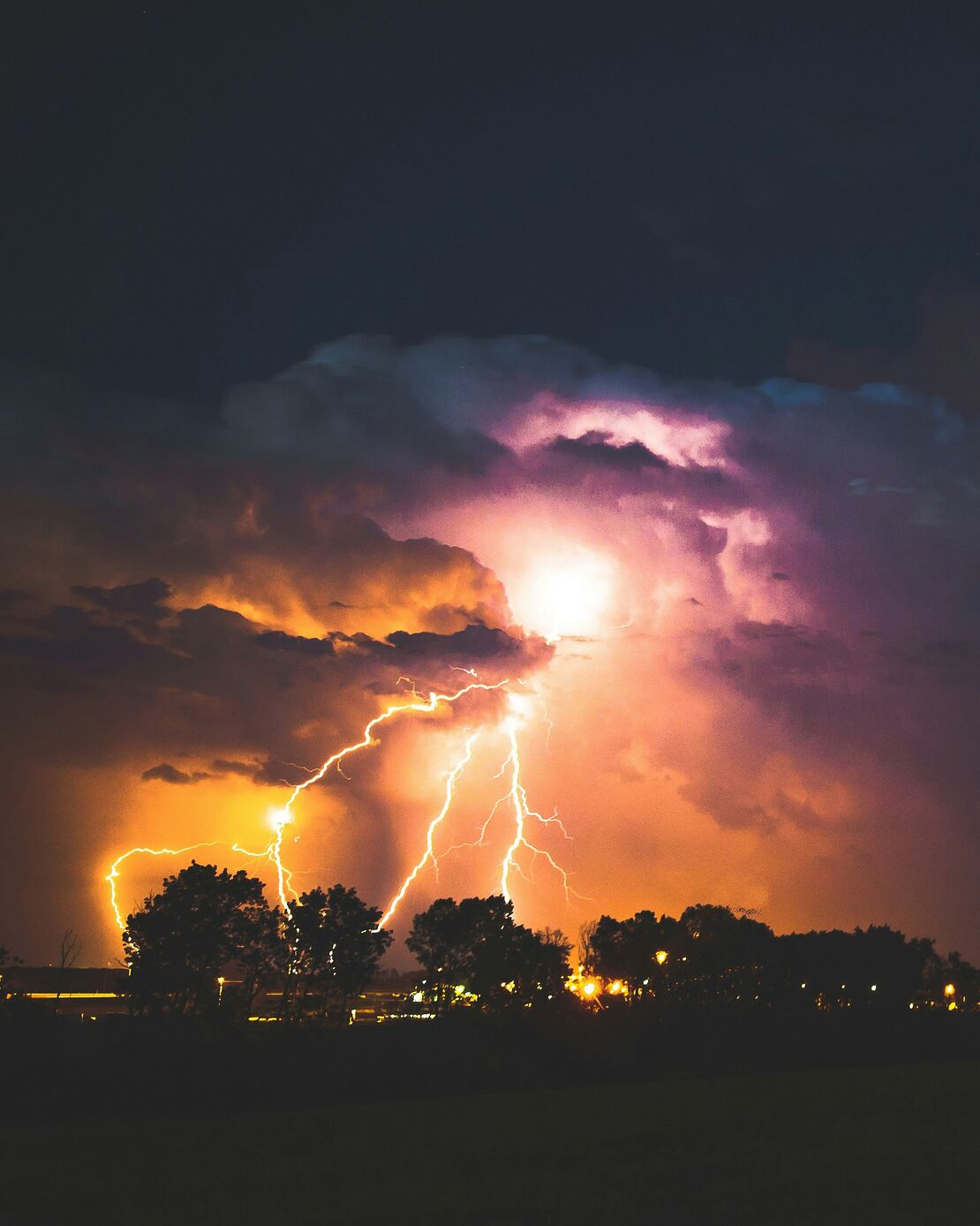
The sound of YHWH
Psalm 29
Academic Resources
Explore our academic Psalms resources for Psalm 29, including our Layer-by-Layer analysis, select Exegetical Issues, and Overview Videos.
Overview 
- This page will introduce and provide orientation to Psalm 29 as a whole. It covers the message, structure, background and participants of the psalm.
Layer-by-Layer Analysis 
- The heart of our process is our layer-by-layer exegetical analysis, where we unfold the semantics, story behind, discourse, and poetics of each psalm.
Welcome to the Layers Page for Psalm 29
On this page you will find our layer-by-layer resources.

Grammar & Semantics
Semantics is the study of how language is used to represent meaning. The goal of semantic analysis is to understand the meaning of words and how they relate to each other in context. Our Semantics analysis consists of the following sub-layers:
- Grammar & Textual Criticism
- Lexical Semantics
- Phrase-Level Semantics
- Verbal Semantics

Story Behind
The Story Behind the Psalm shows how each part of the psalm fits together into a single coherent whole. Here, we analyze the meaning of sentences and larger units of discourse, up to and including the entire psalm. This also include historical background and figurative imagery.

Discourse
Our Discourse Layer moves beyond semantic-level meaning, and analyzes features of the text dependent on the speaker, addressee, and macrosyntax.

Poetics
Exploring the Psalms as poetry is crucial for understanding and experiencing the psalms and thus for faithfully translating them into another language.
Verse-by-Verse Notes 
- Explore the psalm verse-by-verse and section-by-section.
Psalm 29 Exegetical Issues 
- These issues examine the top three tough questions for each psalm, explaining different scholarly interpretations, and offering our perspective.
- The construct phrase קוֹל יְהוָה occurs seven times in Psalm 29. Modern translations generally agree that the phrase means "the voice of YHWH" and that it functions as the subject of each clause in which it occurs. It is possible however, as both modern scholars and ancient translations have suggested, that the phrase functions syntactically not as the subject of the clauses in which it occurs but as an exclamation.
- Psalm 29:6 is a "true crux interpretum."[1] Translations differ on how they understand the grammar and line division of this verse.
- The interpretation of Psalm 29:7 involves two main issues: (1) lexical semantics—what is the meaning of the verb חֹצֵב?; and (2) grammar—what is the syntactic function of the phrase לַהֲבוֹת אֵשׁ?
- There is a textual issue in v. 9ab that affects the meaning of the verse. Instead of deer giving birth (v. 9a), many translations mention oak trees whirling. And instead of forests being stripped of their leaves (v. 9b), some translations mention mountain goats giving birth.
Psalm 29 Videos 
- There are no videos currently available for this psalm.
- ↑ Basevi 1990, 29.